SaaS workforce platforms reduce operational overhead by simplifying processes, automating routine tasks, and eliminating the need for complex internal systems. By centralizing workforce management into a single cloud-based platform, businesses can operate more efficiently with fewer resources and less administrative burden.
One of the primary ways operational overhead is reduced is through automation. Tasks such as attendance tracking, shift scheduling, payroll calculations, and report generation are handled automatically. This removes the need for manual input, reduces errors, and minimizes the time spent on repetitive administrative work.
Administrative workload is significantly lowered. In traditional systems, managing staff records, tracking work hours, and processing payroll require extensive manual effort. SaaS workforce platforms streamline these processes, allowing fewer personnel to manage larger operations effectively.
Centralized data management also contributes to reduced overhead. All workforce data is stored in one system, eliminating the need for multiple tools or fragmented records. This improves organization, reduces duplication, and ensures that information is consistent across all departments.
Communication and coordination costs are minimized as well. With a unified platform, managers and staff operate within the same system, reducing the need for back-and-forth communication, manual updates, or external tracking methods. This leads to smoother workflows and faster execution of tasks.
Training and onboarding become easier and less costly. SaaS platforms are typically designed with user-friendly interfaces, allowing new staff to learn the system quickly. This reduces the time and resources required for training compared to complex traditional systems.
Error reduction plays a major role in lowering operational costs. Mistakes in attendance records, scheduling, or payroll can lead to financial losses and operational disruptions. SaaS workforce platforms ensure accurate data capture and processing, minimizing these risks.
Scalability helps control overhead as businesses grow. Instead of increasing administrative staff or investing in new systems, businesses can expand their usage within the same platform. This allows operations to grow without a proportional increase in operational costs.
In addition, SaaS platforms reduce dependency on multiple software tools. By integrating various workforce functions into one system, businesses avoid the cost and complexity of managing separate applications for attendance, payroll, scheduling, and reporting.
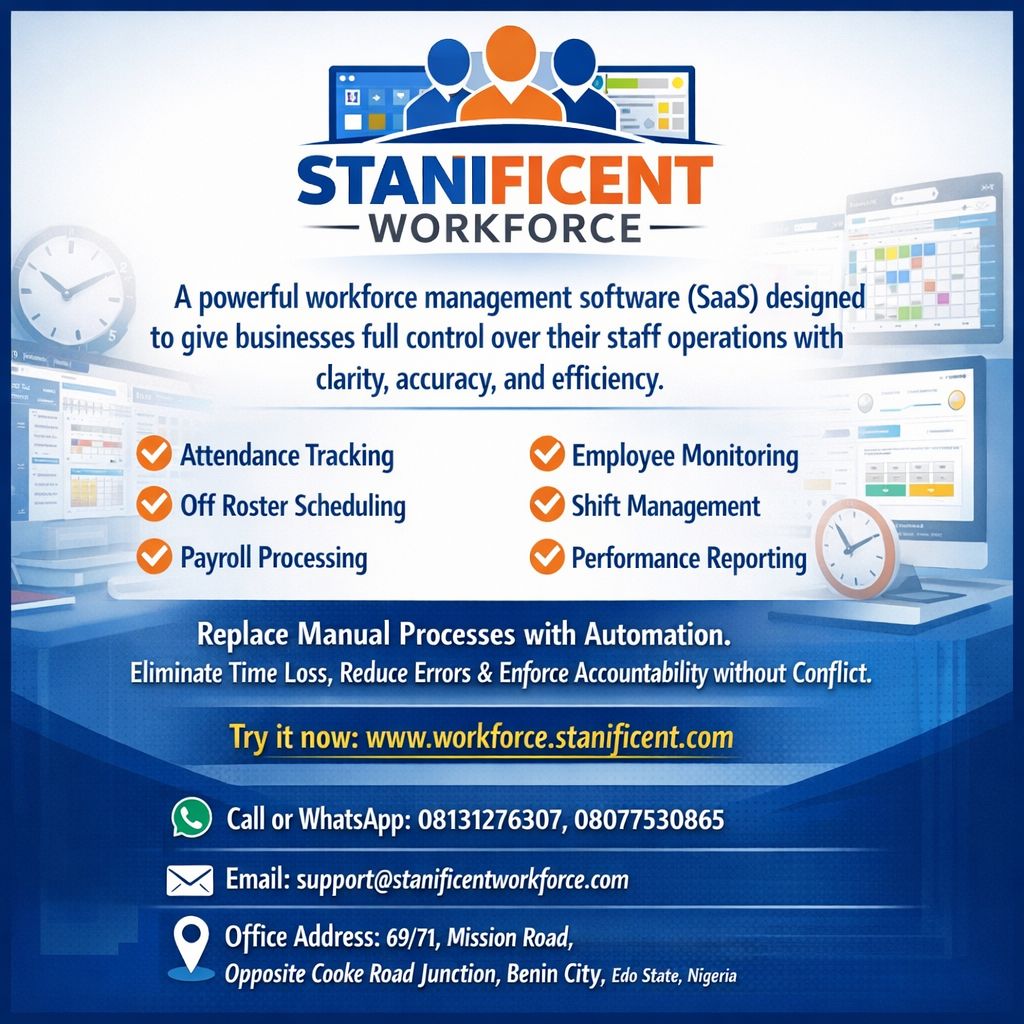
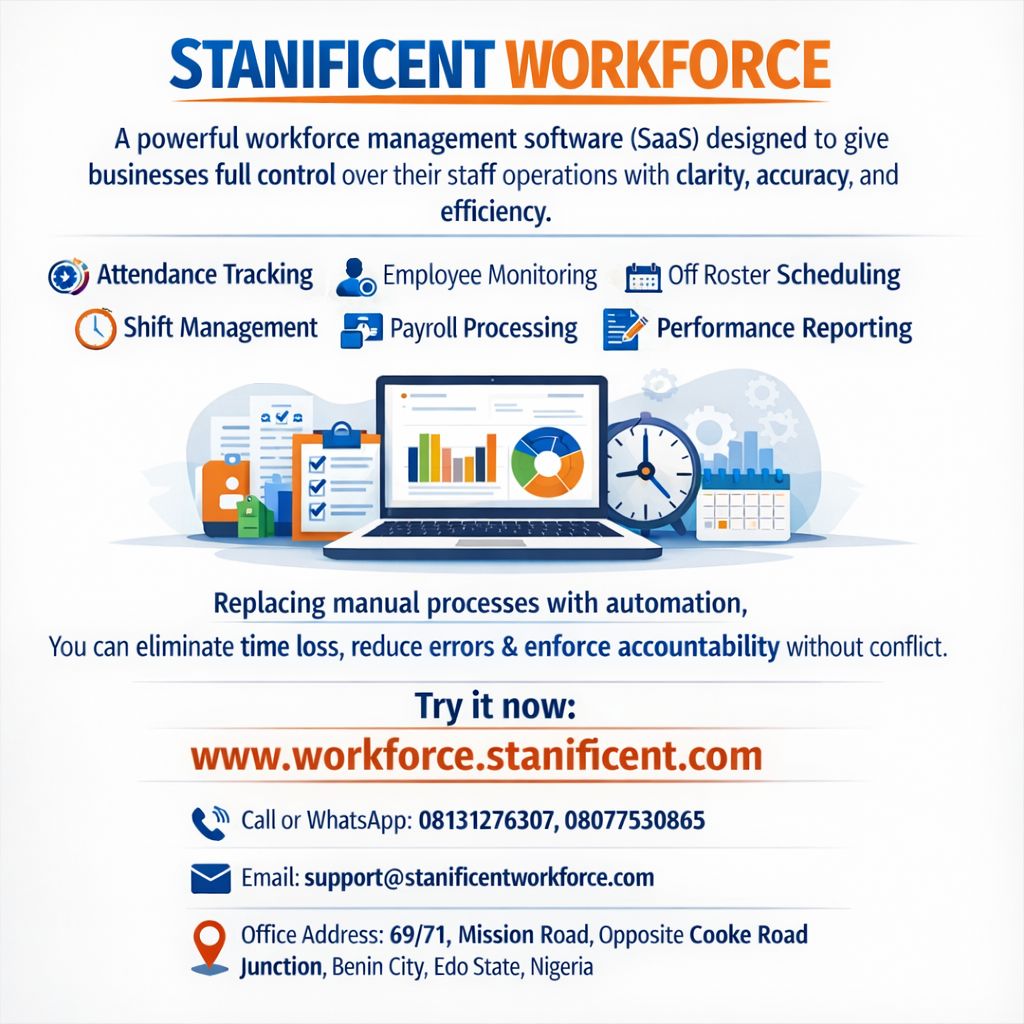
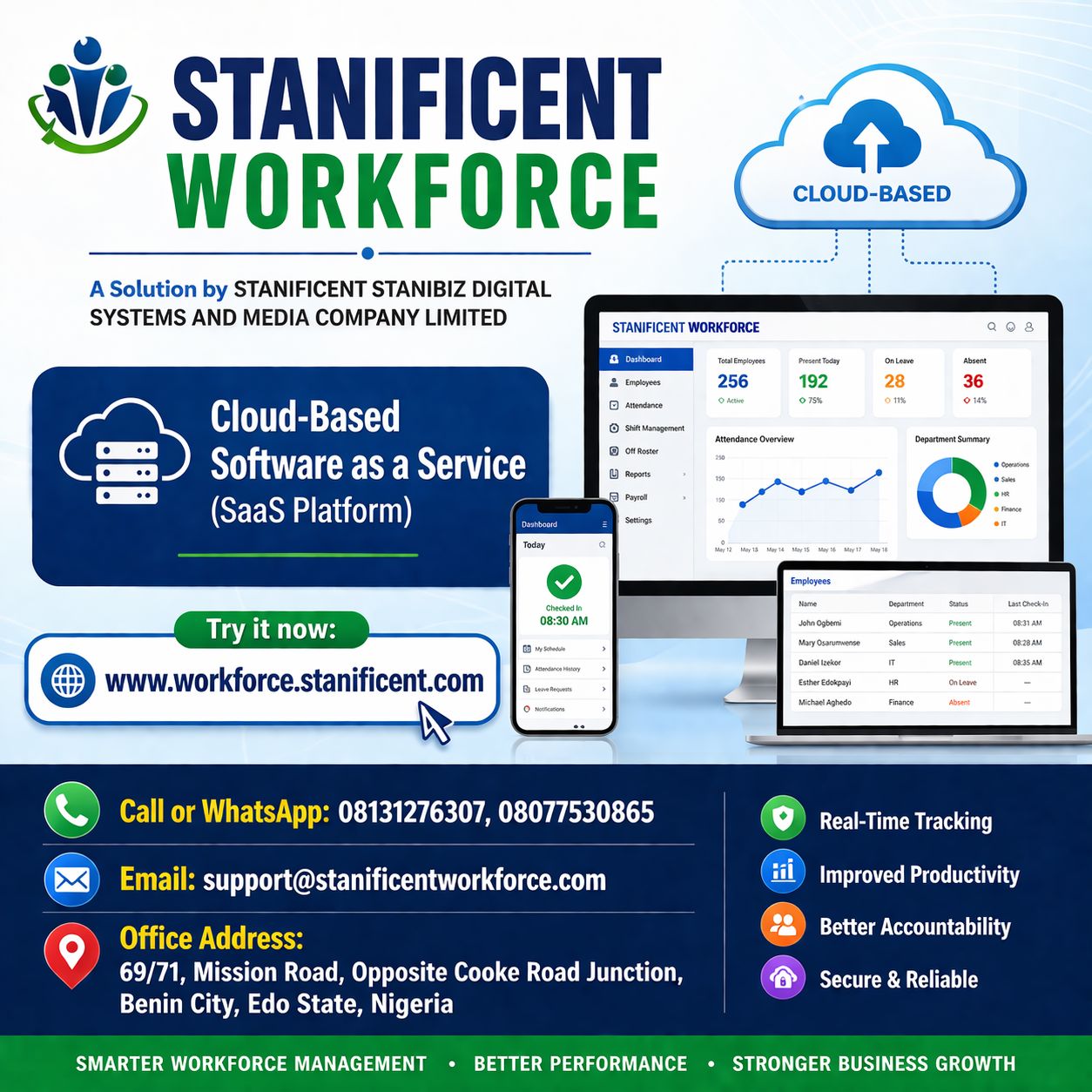
A practical example is STANIFICENT WORKFORCE, a solution by STANIFICENT STANIBIZ DIGITAL SYSTEMS AND MEDIA COMPANY LIMITED, which provides a cloud-based workforce management platform designed to streamline operations. It integrates attendance tracking, employee monitoring, Off Roster scheduling, shift management, payroll processing, and performance reporting into one system, reducing the need for multiple processes and resources.
In summary, SaaS workforce platforms reduce operational overhead by automating tasks, centralizing data, minimizing errors, simplifying workflows, and supporting scalable operations. These advantages enable businesses to operate more efficiently while keeping costs under control.
Try it now: www.workforce.stanificent.com
No reviews yet.
No comments yet.