SaaS workforce software eliminates IT infrastructure costs by removing the need for businesses to purchase, install, and maintain physical systems required to run traditional software. Instead of relying on in-house servers and complex setups, everything is hosted and managed in the cloud by the service provider.
In traditional environments, businesses must invest heavily in hardware such as servers, networking equipment, storage devices, and backup systems. These components require not only initial capital but also continuous maintenance, upgrades, and replacements over time. SaaS workforce software removes this entire layer of responsibility.
With SaaS, the software runs on the provider’s infrastructure, which is already optimized, maintained, and secured. Businesses simply access the system through the internet without worrying about where or how the system is hosted. This eliminates the cost of setting up and managing internal IT environments.
Maintenance costs are also removed. Traditional systems require regular updates, security patches, and technical support, often handled by in-house IT staff or external consultants. SaaS platforms handle all updates automatically, ensuring the system remains up-to-date without additional cost or effort.
Energy and operational costs are significantly reduced as well. Running servers and IT equipment consumes electricity and requires cooling systems to maintain performance. By moving to a cloud-based SaaS model, businesses no longer bear these operational expenses.
Another important factor is the reduction in IT staffing requirements. Managing traditional infrastructure often requires dedicated technical personnel. SaaS eliminates this need, allowing businesses to operate efficiently without maintaining a large IT team.
Scalability further supports cost elimination. In traditional systems, expanding operations may require purchasing additional hardware and upgrading infrastructure. SaaS platforms allow businesses to scale instantly by adjusting usage levels, such as adding users or increasing capacity, without any physical investment.
Reliability and uptime are also improved without added cost. SaaS providers use robust infrastructure with built-in redundancy and backup systems to ensure continuous operation. This prevents the financial impact of system downtime that businesses might experience with self-managed infrastructure.
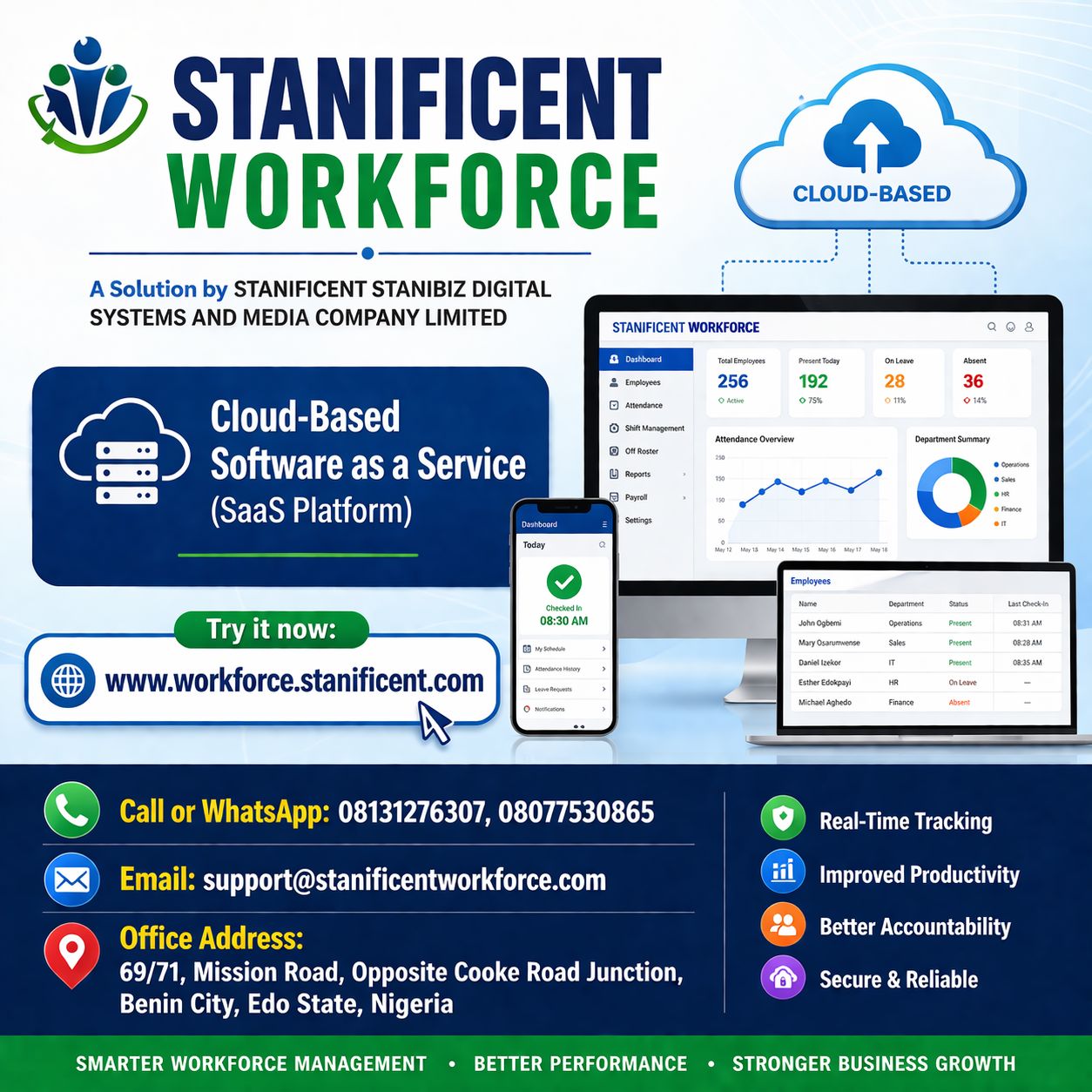
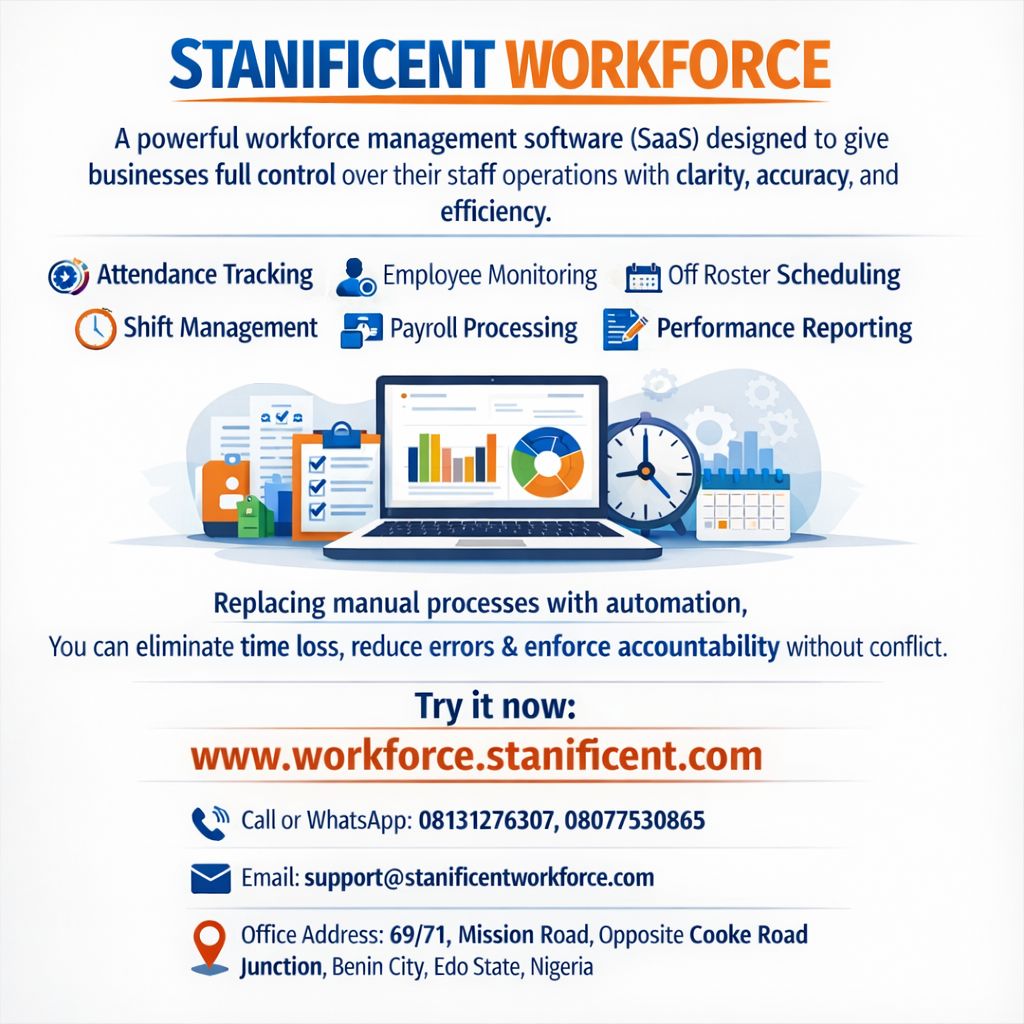
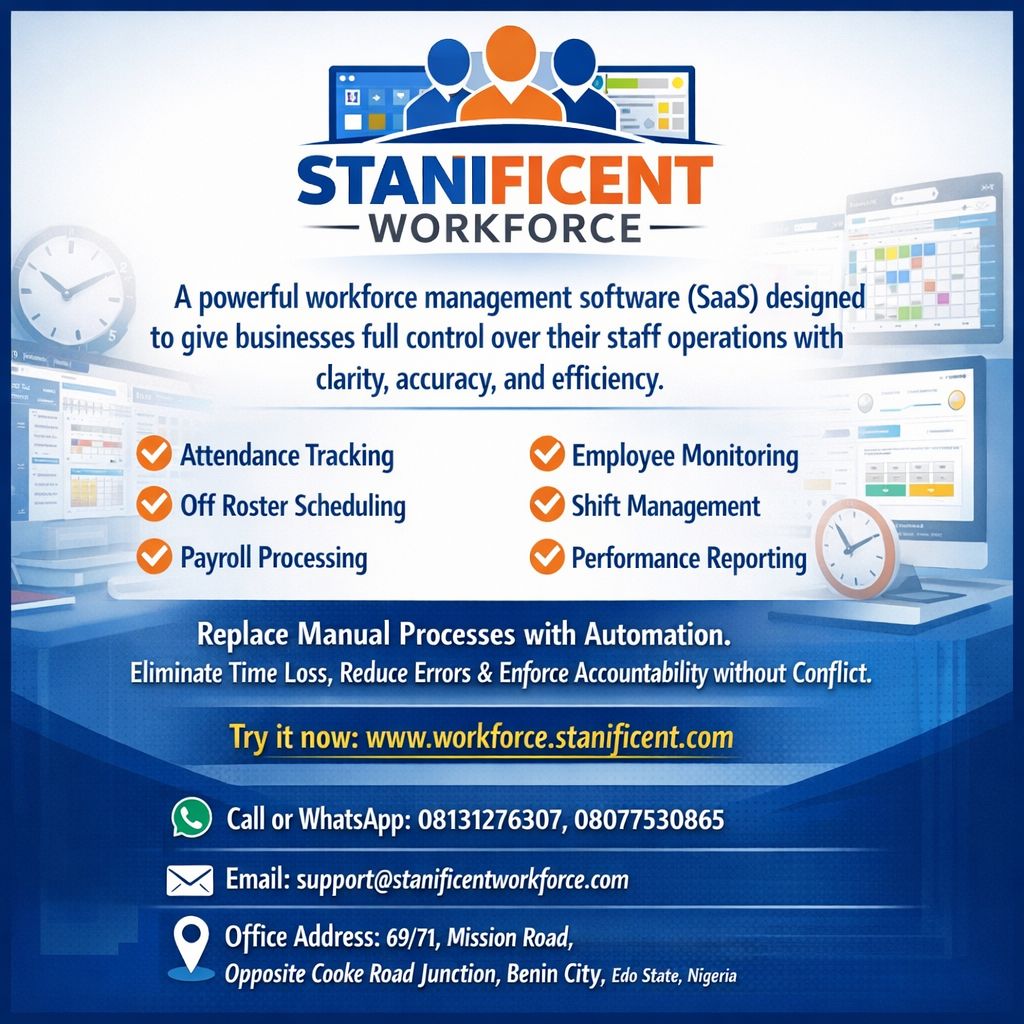
A practical example is STANIFICENT WORKFORCE, a solution by STANIFICENT STANIBIZ DIGITAL SYSTEMS AND MEDIA COMPANY LIMITED, which operates as a cloud-based SaaS workforce management platform. It enables businesses to manage attendance, monitor employees, handle Off Roster scheduling, organize shifts, process payroll, and generate performance reports without investing in IT infrastructure.
In summary, SaaS workforce software eliminates IT infrastructure costs by shifting all technical responsibilities to the provider. This removes the need for hardware, maintenance, energy consumption, and specialized IT staff, allowing businesses to operate more efficiently while reducing expenses.
Try it now: www.workforce.stanificent.com
No reviews yet.
No comments yet.