Businesses today must choose between two major types of software: Software as a Service (SaaS) and traditional (installed) software. Understanding the difference is critical for making the right decision that affects cost, efficiency, scalability, and long-term growth.
Traditional software is installed directly on a computer or company server. It usually requires a one-time purchase or license and depends on the business to manage installation, updates, maintenance, and security. In contrast, SaaS is delivered over the internet, allowing users to access the system through a web browser without installation, while the provider manages everything in the background.
One of the biggest differences is accessibility. Traditional software is often limited to specific devices or locations where it is installed. SaaS, on the other hand, can be accessed from anywhere, making it ideal for businesses with multiple locations or remote teams.
Cost structure is another key difference. Traditional software typically involves high upfront costs for licenses, servers, and IT setup. Additional costs may arise for upgrades and maintenance. SaaS operates on a subscription model, allowing businesses to pay over time while avoiding heavy initial investment. This makes it more flexible and easier to adopt.
Maintenance and updates also set them apart. With traditional software, businesses are responsible for installing updates, fixing issues, and ensuring system security. This can lead to downtime or outdated systems if not managed properly. SaaS platforms handle updates automatically, ensuring that businesses always use the latest and most secure version without interruption.
Scalability is more limited in traditional systems. Expanding usage often requires purchasing new licenses, upgrading hardware, or restructuring systems. SaaS platforms are designed to scale easily, allowing businesses to add users, increase storage, or expand features instantly based on their needs.
Data management and security are also handled differently. Traditional software stores data locally, which can be risky if backups are not properly maintained. SaaS platforms use centralized cloud storage with automated backups, controlled access, and advanced security measures, often providing stronger protection.
In practical terms, SaaS is better suited for modern business environments where flexibility, real-time access, and scalability are essential. Traditional software may still be used in specific cases, but it often lacks the efficiency and adaptability required for growing businesses.
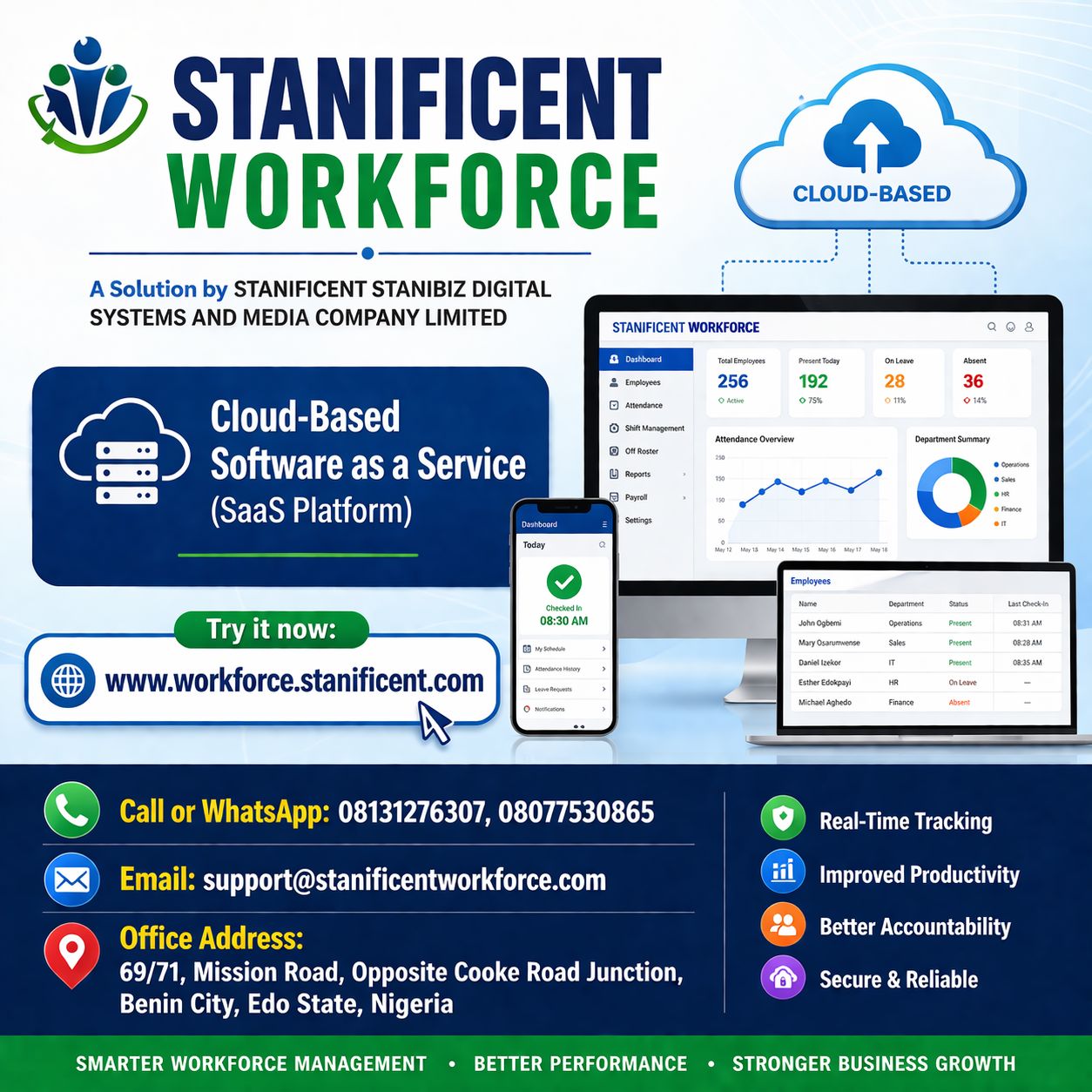
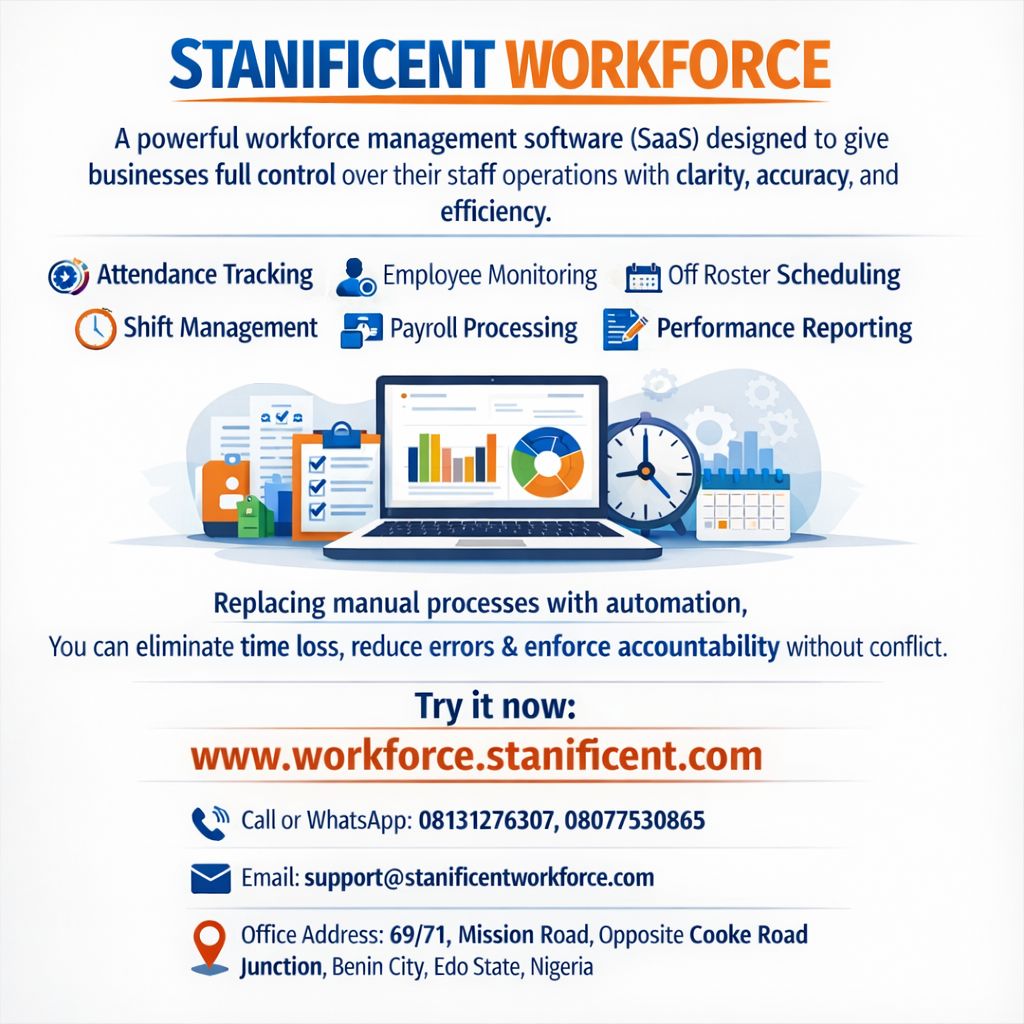
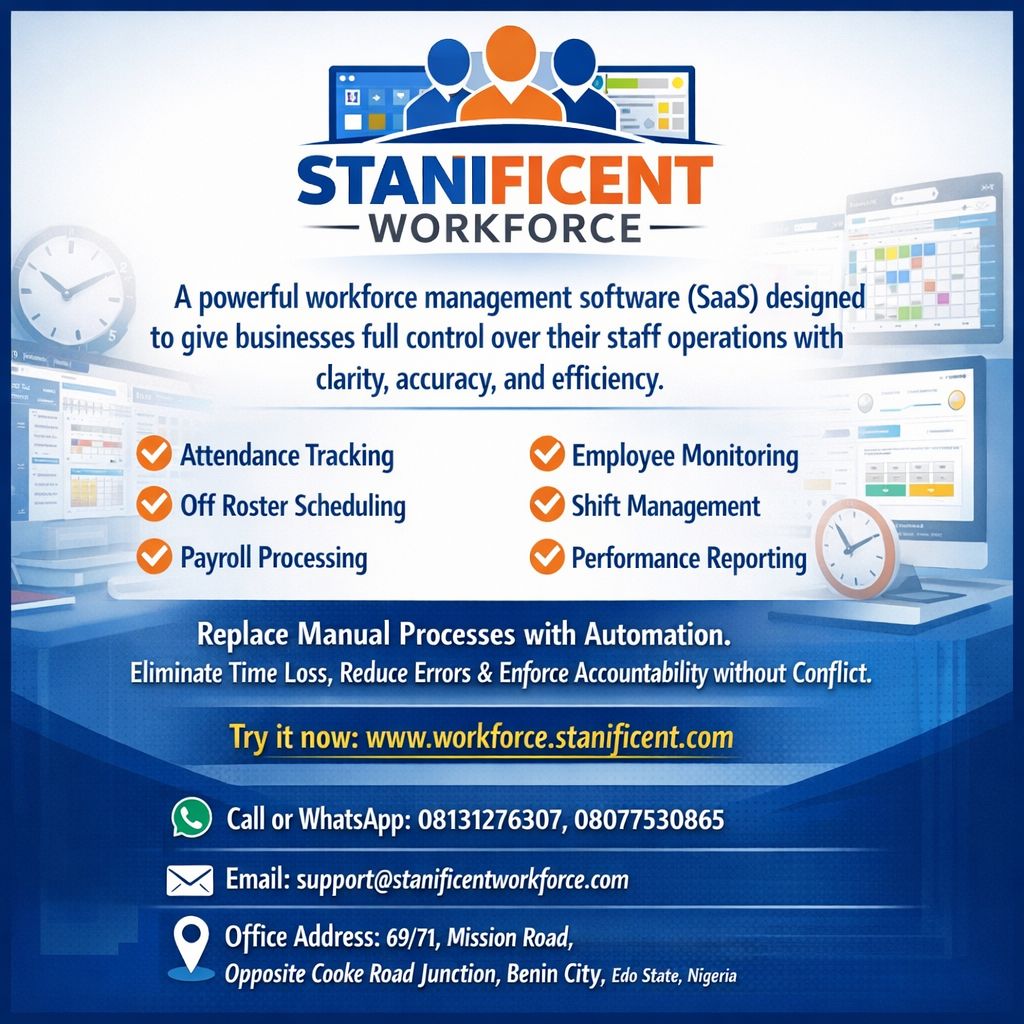
A clear example of SaaS in action is STANIFICENT WORKFORCE, a solution by STANIFICENT STANIBIZ DIGITAL SYSTEMS AND MEDIA COMPANY LIMITED, which operates as a cloud-based workforce management platform. It allows businesses to manage attendance, monitor employees, handle Off Roster scheduling, organize shifts, process payroll, and generate performance reports without the limitations of traditional installed systems.
In summary, SaaS provides a more flexible, accessible, and cost-effective approach to software usage, while traditional software requires more control, infrastructure, and maintenance. For most businesses aiming to improve efficiency and scale operations, SaaS is the more practical and future-ready choice.
Try it now: www.workforce.stanificent.com
No reviews yet.
No comments yet.