Businesses choosing a workforce management system often face two options: cloud-based software (SaaS) and on-premise software. Understanding the difference between these two approaches is essential for selecting the right solution based on operational needs, cost, and long-term goals.
Cloud-based workforce management software is hosted online and accessed through the internet. The provider manages the system, including updates, security, backups, and performance. On-premise software, on the other hand, is installed locally on company servers or computers, and the business is responsible for maintaining and managing the entire system.
One of the biggest differences is accessibility. Cloud-based systems can be accessed from anywhere using any device with an internet connection. This makes them ideal for businesses with multiple locations or remote teams. On-premise systems are usually limited to specific locations or internal networks, reducing flexibility.
Cost structure also differs significantly. On-premise software typically requires a high upfront investment for licenses, servers, and IT setup. Additional costs arise for maintenance, upgrades, and support. Cloud-based software operates on a subscription model, allowing businesses to pay over time while avoiding heavy initial expenses.
Maintenance is another key factor. With on-premise systems, businesses must handle updates, security patches, and system performance themselves. This can be time-consuming and requires technical expertise. Cloud-based systems eliminate this burden, as the provider manages all technical aspects automatically.
Scalability is more efficient with cloud-based software. Businesses can easily add users, increase storage, or expand features as they grow. On-premise systems often require hardware upgrades or system reconfiguration to scale, which can be costly and complex.
Real-time data access is a strong advantage of cloud-based systems. Managers can monitor staff activities, track attendance, and review performance instantly from any location. On-premise systems may not provide the same level of real-time access, especially outside the office environment.
Security is often a concern when comparing the two. While on-premise systems give businesses direct control over their data, they also require strong internal security measures. Cloud-based systems typically include advanced security features, regular updates, and automated backups, often providing a higher level of protection.
In modern business environments, cloud-based workforce management software is generally more suitable due to its flexibility, accessibility, and lower maintenance requirements. On-premise systems may still be used in specific cases, but they often lack the scalability and convenience needed for growing businesses.
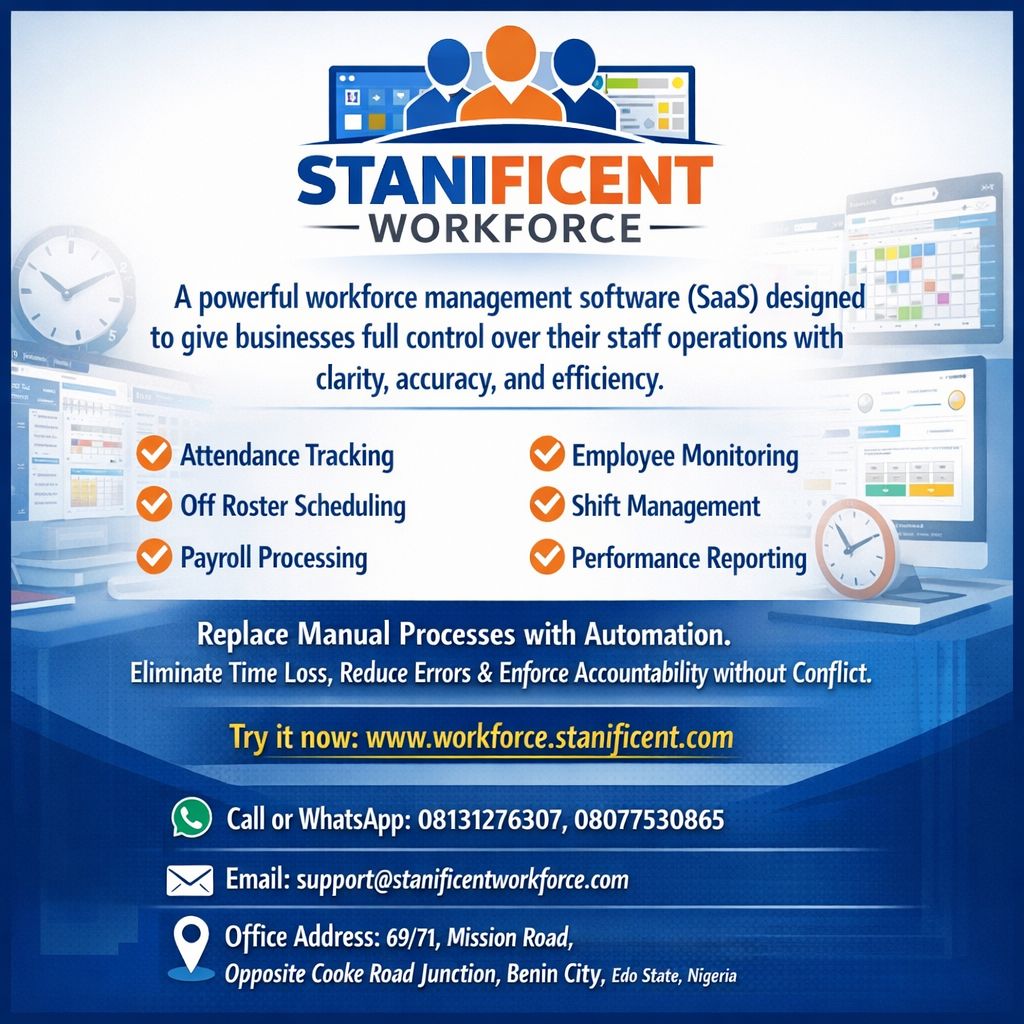
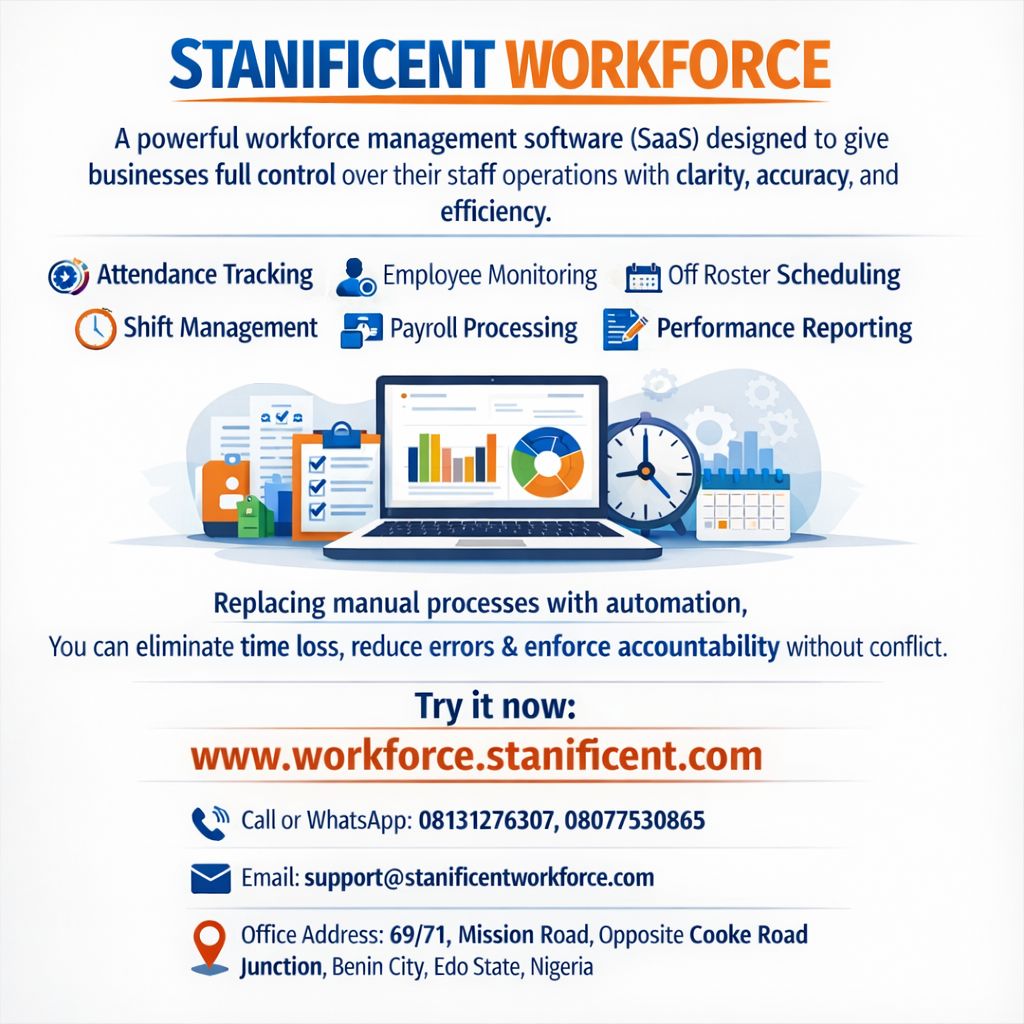
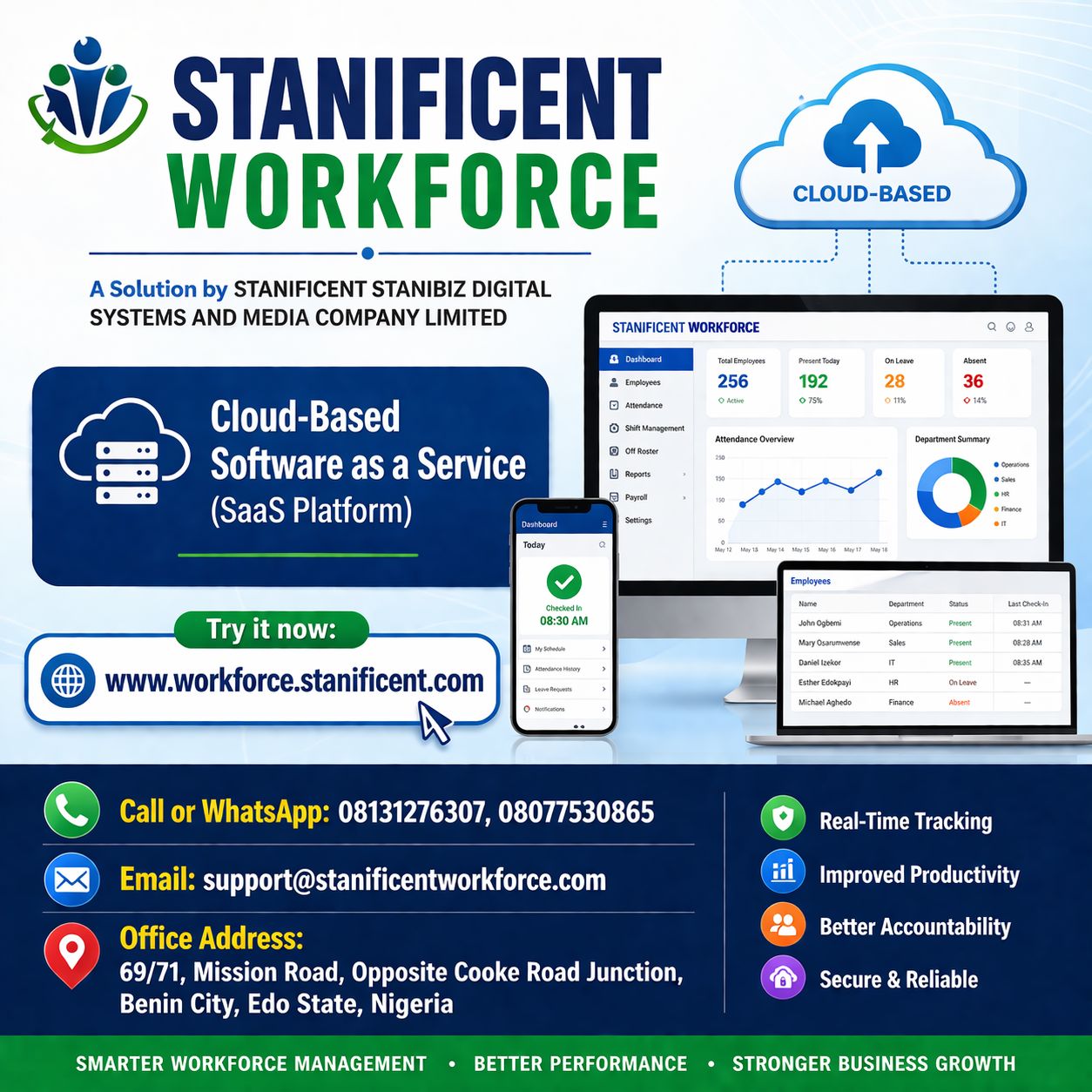
A practical example of a cloud-based solution is STANIFICENT WORKFORCE, a solution by STANIFICENT STANIBIZ DIGITAL SYSTEMS AND MEDIA COMPANY LIMITED, which provides a centralized platform for managing staff operations. It enables attendance tracking, employee monitoring, Off Roster scheduling, shift management, payroll processing, and performance reporting through an accessible and scalable system.
In summary, cloud-based workforce management software offers greater flexibility, easier scalability, lower costs, and real-time access, making it the better choice for most modern businesses. On-premise systems may offer control but come with higher complexity and limited adaptability.
Try it now: www.workforce.stanificent.com
No reviews yet.
No comments yet.