Cloud-based workforce management software provides significant cost advantages by reducing upfront expenses, lowering operational overhead, and eliminating the need for complex infrastructure. For businesses aiming to control costs while improving efficiency, it offers a more practical and sustainable approach compared to traditional systems.
One of the most immediate benefits is the removal of high initial investment. Traditional software often requires purchasing servers, licenses, and IT equipment before operations can begin. Cloud-based systems operate on a subscription model, allowing businesses to start using the software without heavy upfront spending.
Infrastructure costs are also eliminated. Businesses do not need to maintain physical servers, networking equipment, or dedicated IT environments. The software provider handles hosting and system management, reducing the financial burden on the organization.
Maintenance and upgrade costs are significantly reduced. With traditional systems, businesses must pay for updates, technical support, and system repairs. Cloud-based software includes automatic updates and ongoing maintenance as part of the service, ensuring that the system remains current without additional costs.
Labor costs can also decrease. Manual processes such as attendance tracking, shift scheduling, and payroll calculations require time and administrative effort. Cloud-based workforce systems automate these tasks, reducing the need for extensive manual input and allowing staff to focus on more valuable activities.
Operational efficiency leads to indirect cost savings. When errors in attendance or payroll are minimized, businesses avoid financial losses caused by overpayments, underpayments, or inefficiencies. Accurate data ensures that resources are used effectively.
Scalability contributes to cost control. Businesses only pay for what they use, such as the number of users or level of features required. As operations grow or change, costs can be adjusted accordingly without unnecessary spending.
Downtime and system failure costs are also reduced. Cloud-based systems are designed for reliability, with backups and continuous monitoring ensuring that operations remain uninterrupted. This prevents losses associated with system outages.
In addition, cloud-based workforce management software reduces the need for extensive IT teams. Since the provider manages the technical aspects, businesses can operate with fewer technical resources while still maintaining a high-performing system.
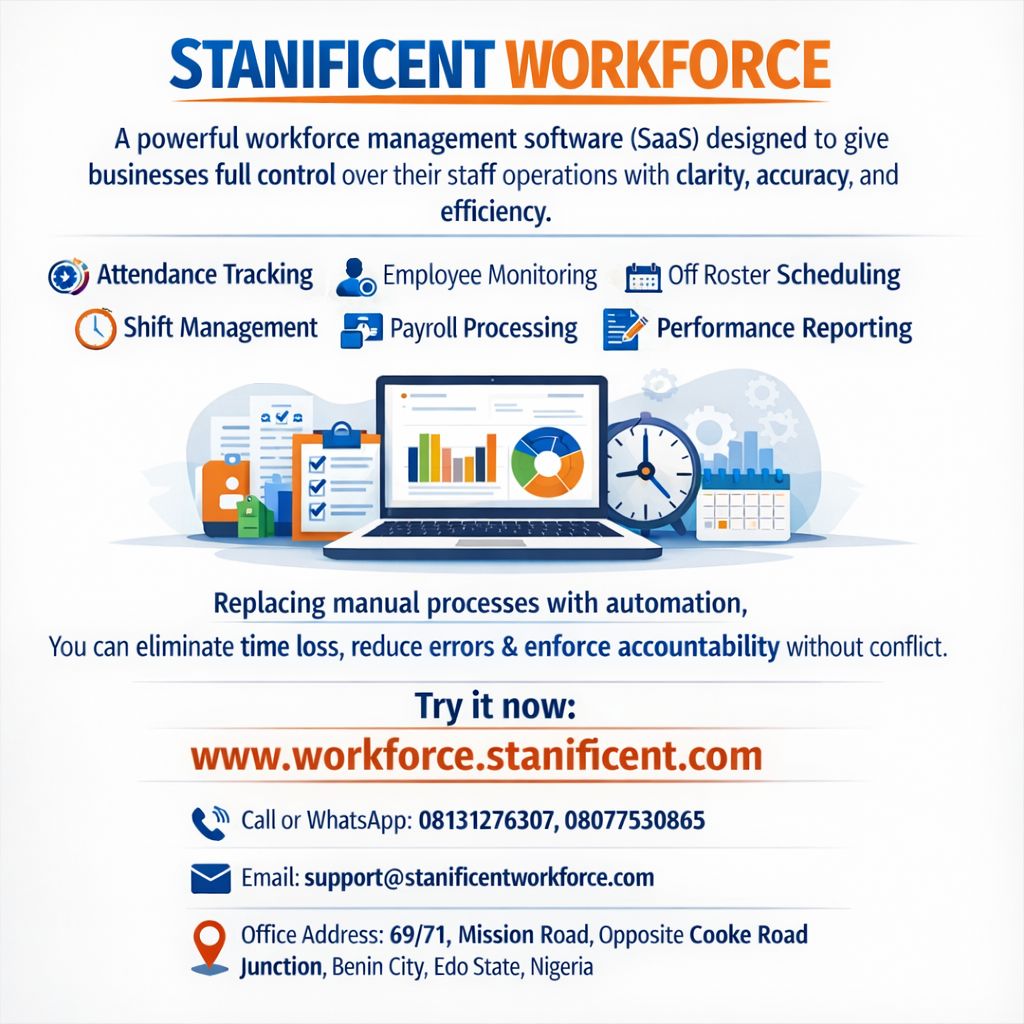
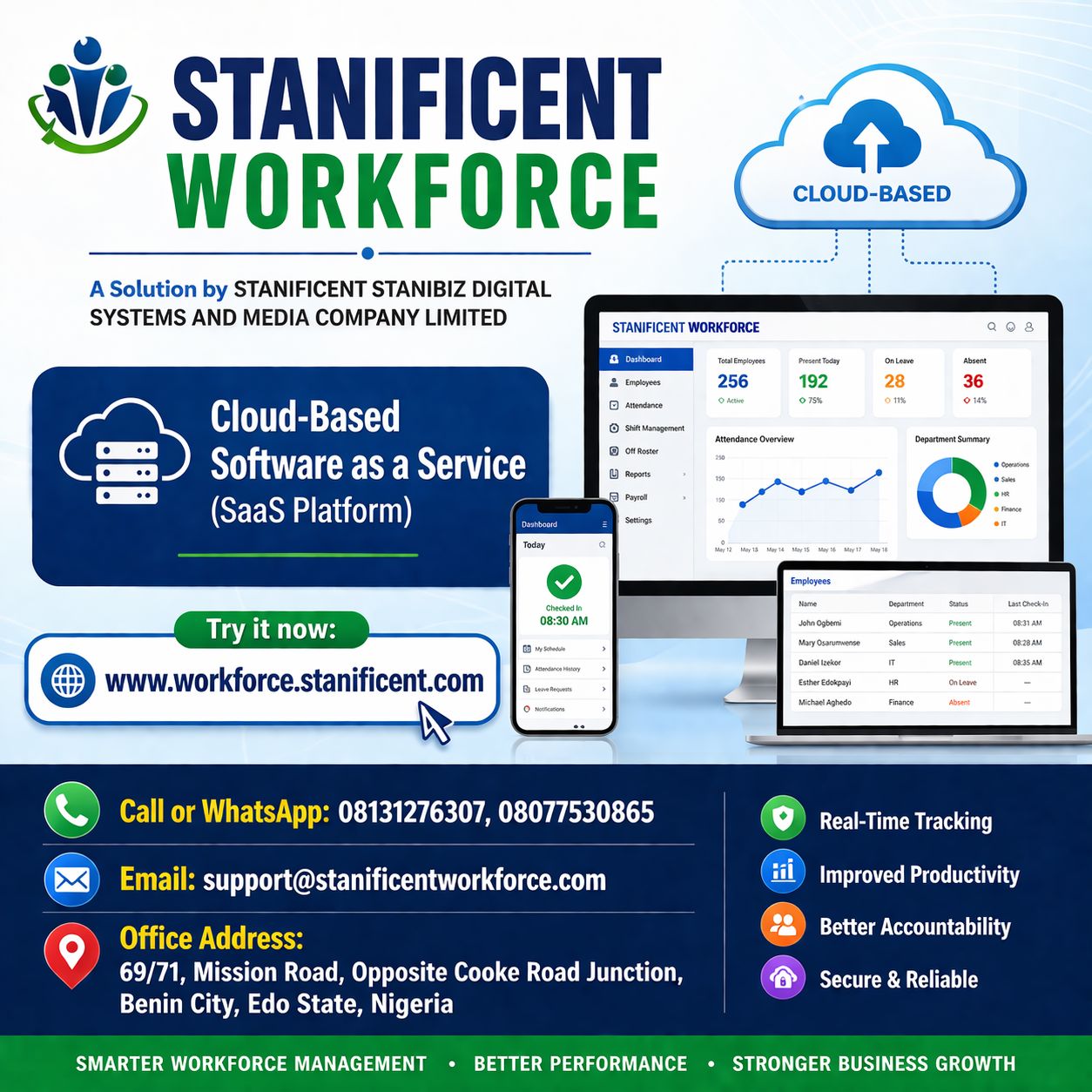
A practical example is STANIFICENT WORKFORCE, a solution by STANIFICENT STANIBIZ DIGITAL SYSTEMS AND MEDIA COMPANY LIMITED, which provides a cloud-based workforce management platform designed to help businesses control costs while improving operational efficiency. It integrates attendance tracking, employee monitoring, Off Roster scheduling, shift management, payroll processing, and performance reporting into one system.
In summary, cloud-based workforce management software offers cost benefits through reduced upfront investment, elimination of infrastructure expenses, lower maintenance costs, improved efficiency, and flexible scaling. These advantages make it a cost-effective solution for businesses of all sizes.
Try it now: www.workforce.stanificent.com
No reviews yet.
No comments yet.